Improving Food Safety Through Traceability: The Role of Colour Coding, Tagging, and Numbering
- BST
- Detectable
- 26 Nov 2025

Improving Food Safety Through Traceability: The Role of Colour Coding, Tagging, and Numbering
Traceability is a cornerstone of food safety, ensuring that every stage of the food production and distribution process is documented and monitored. It allows manufacturers, suppliers, and retailers to track food products from their origin to the consumer's table. In the event of contamination or any food safety incident, effective traceability systems enable quick identification and removal of affected products from the supply chain, minimising risks to public health. One of the most effective ways to enhance traceability in food safety is through the use of colour coding, tagging, and numbering systems.
The Importance of Traceability in Food Safety
Traceability provides a comprehensive view of the entire supply chain, from raw materials and ingredients to the final product. This visibility is essential for identifying potential contamination sources, ensuring compliance with regulatory standards, and maintaining consumer trust. In recent years, regulatory bodies worldwide, such as the Food and Drug Administration (FDA) and the European Food Safety Authority (EFSA), have placed a stronger emphasis on the need for robust traceability systems in food production to prevent foodborne illnesses and improve overall food safety.
Enhancing Traceability with Colour Coding
Colour coding is a straightforward yet highly effective method to improve traceability in food production environments. By assigning specific colours to different zones, tools, or processes, food manufacturers can quickly and easily identify where certain items belong and what they are used for. For example, colour-coded utensils, brushes, and cleaning tools can help prevent cross-contamination between raw and cooked food areas. In a situation where an item is misplaced, colour coding immediately alerts staff to the breach, allowing for rapid corrective action.
Colour coding can also be used to differentiate between allergens, further enhancing safety. For example, in facilities handling multiple allergens, specific colours can be assigned to each allergen, helping to ensure that tools and equipment are not cross-used and potentially spreading allergens to unintended products. This level of control helps to protect consumers with allergies and comply with stringent food safety regulations.

Current Numbering for Increased Accountability
Each product or item, such as detectable pens, utensils, or other tools used in food processing, can be marked with a unique serial number or code. This allows manufacturers to trace each item back to its specific production run or machine operator responsible for its use. In the event of a food safety incident, this precise identification enables quick isolation of the affected items without the need for a broader recall, reducing waste and minimising financial impact.
Additionally, individually numbered items improve accountability and record-keeping within the production environment. For example, a damaged or misplaced tool can be quickly identified and traced back to its point of origin or usage. This helps prevent contamination risks by ensuring all tools and equipment are accounted for and properly maintained, supporting overall food safety and operational efficiency.
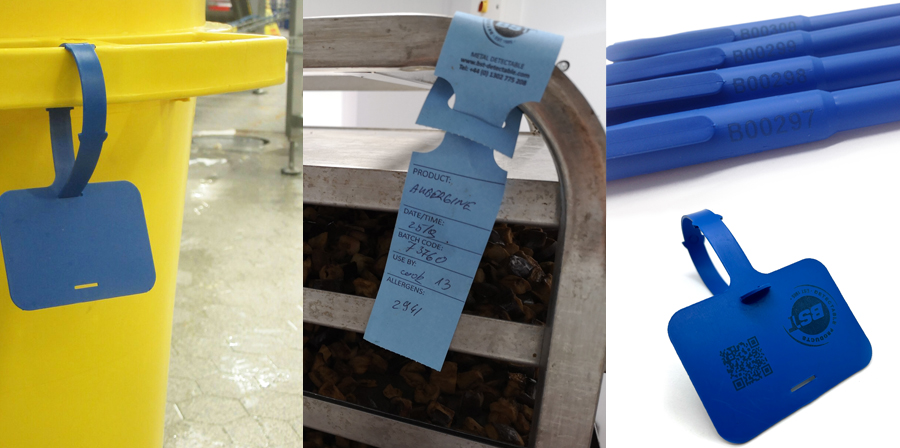
Tagging for Enhanced Monitoring and Control
Tagging is another valuable tool in the traceability toolkit. Tags can be applied to ingredients, equipment, and batches of products, providing key information such as source, date of arrival, and usage history. In baked goods production, tags can be used to label items with bake dates, ensuring that products are fresh, and that inventory is managed efficiently. For allergen control, tags can help identify ingredients that contain allergens, allowing staff to segregate and handle them safely, preventing cross-contamination.
Tags are also beneficial for equipment management. By tagging machinery with information about the last cleaning or servicing date, companies can maintain high hygiene standards and ensure equipment is properly maintained, reducing the risk of contamination or incident. These tags provide an at-a-glance reminder for operators and maintenance staff, enhancing accountability and compliance with food safety regulations. Overall, tagging offers a versatile and effective means to enhance traceability, safety, and operational efficiency in food processing environments.
The Combined Effect: A Holistic Approach to Food Safety
While colour coding, tagging, and numbering are effective individually, their combined use creates a comprehensive traceability system that enhances food safety at every level. These methods work together to provide multiple checkpoints and safeguards, ensuring that potential contamination or safety breaches are identified and addressed promptly. The integration of these practices within a traceability framework further strengthens a company's ability to maintain high food safety standards, streamline operations, and reduce the risk of costly recalls.
Conclusion
As food safety remains a top priority for manufacturers, regulators, and consumers alike, the implementation of robust traceability systems using colour coding, tagging, and numbering is essential. These tools not only provide a clear path for monitoring and controlling food production processes but also help ensure compliance with food safety standards and protect public health. By adopting a multi-faceted approach to traceability, the food industry can continue to improve safety protocols, enhance consumer confidence, and uphold the integrity of the food supply chain.

Related Posts