Foreign Body Contamination in the Food Industry: Implications for Manufacturers
- BST
- Detectable
- 18 Aug 2025

Foreign Body Contamination in the Food Industry: Implications for Manufacturers
Foreign body contamination is one of the most significant challenges faced by food manufacturers globally. Whether it's fragments of plastic, glass, metal, or organic matter inadvertently finding their way into food products, the consequences for manufacturers can be severe. From consumer health risks to costly product recalls and lasting reputational damage, the impact of foreign body contamination reverberates across the entire supply chain.
The Scope of the Problem
Foreign bodies in food products typically come from a variety of sources within the production process. These can include machinery wear and tear, packaging failures, or even human error. The types of contaminants vary, but commonly include plastic fragments, metal shards, glass pieces, wood splinters, and even pest-related debris. These materials can enter the food chain at any stage, from the initial production and processing to packaging and distribution.

Food producers must therefore implement stringent safeguards to detect and eliminate potential contaminants before their products reach the consumer. The stakes are high; foreign objects in food not only pose direct risks to consumer health but can lead to widespread recalls, fines, and loss of consumer trust.
Health Risks and Regulatory Scrutiny
The health implications of foreign body contamination range from minor discomfort to severe injuries. Small fragments of metal or plastic, for instance, can cause choking hazards, dental damage, or internal injuries. Glass shards are especially dangerous, with the potential to cause significant harm if ingested.
Regulatory bodies such as the Food Standards Agency (FSA) in the UK and the Food and Drug Administration (FDA) in the US enforce strict guidelines to ensure food safety. Manufacturers must demonstrate due diligence in preventing contamination, often through the use of metal detectors, X-ray machines, and other advanced detection technologies. Failure to meet these standards can result in heavy fines, forced recalls, and in extreme cases, legal action.

The Financial and Reputational Costs of Recalls
The financial costs of a product recall due to foreign body contamination can be devastating. Not only are there immediate expenses associated with recalling and replacing products, but manufacturers may also face lawsuits, increased insurance premiums, and a drop in stock prices. The long-term impact on consumer trust, however, can be even more damaging.
For food manufacturers, brand reputation is critical. A single high-profile recall can erode consumer confidence, potentially leading to a loss in sales and market share. In a highly competitive industry, regaining trust can be a long and expensive process.
Preventative Measures and Technological Solutions
To mitigate the risk of foreign body contamination, manufacturers must implement comprehensive food safety management systems. This includes good manufacturing practices (GMPs), hazard analysis and critical control points (HACCP) protocols, and regular staff training to maintain high hygiene standards.
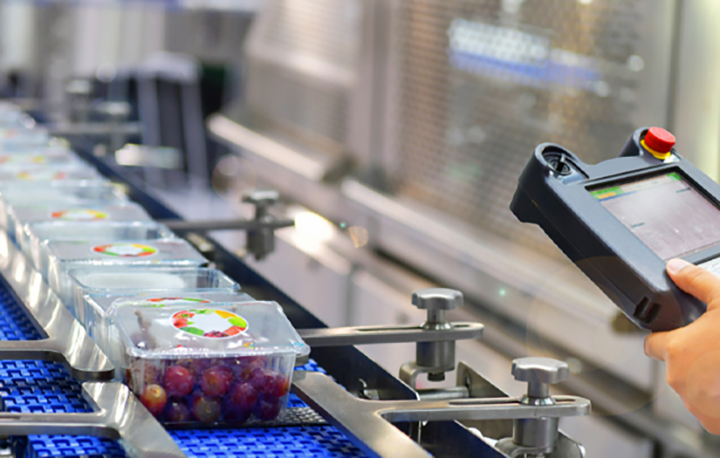
In addition to these operational measures, technological advancements are playing an increasingly critical role. Metal detectors and X-ray inspection systems are commonly used to identify foreign objects during production. While metal detectors are highly effective at identifying ferrous and non-ferrous materials, X-ray systems offer broader capabilities, detecting denser materials like glass and stone.
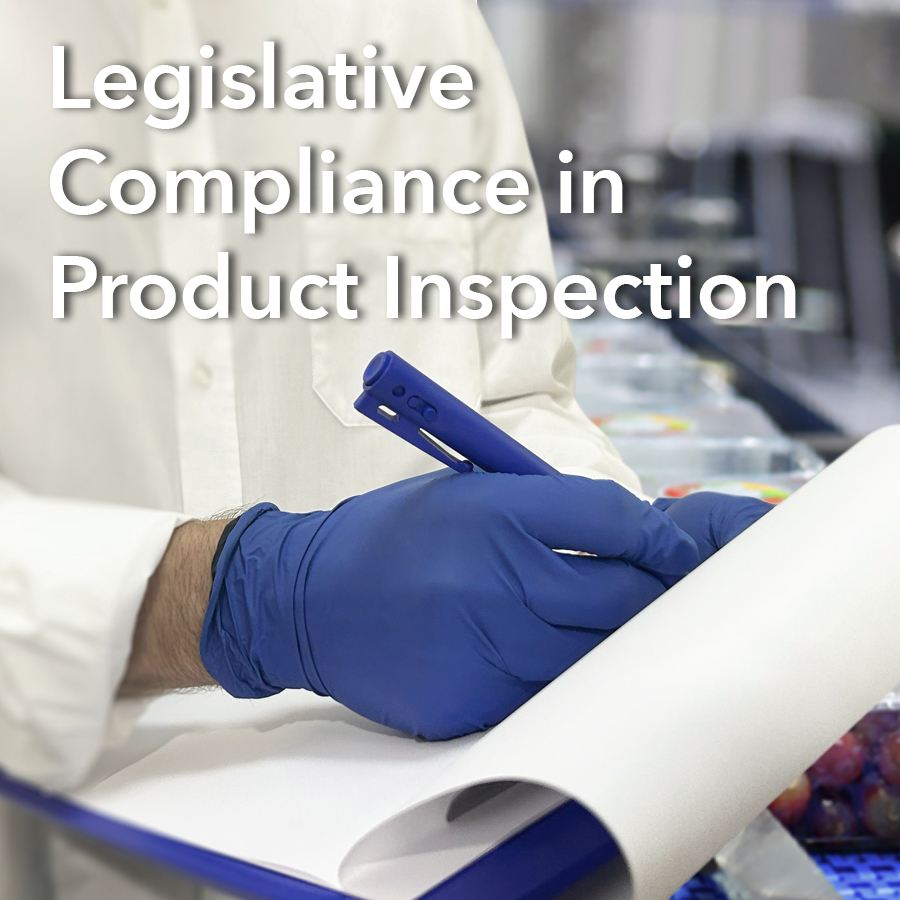
Another innovation gaining traction is the use of detectable materials in the production of tools, equipment, and personal protective equipment (PPE) used in food processing environments. Metal detectable and X-ray visible products such as pens, scrapers, and gloves significantly reduce the risk of introducing foreign bodies into the food production process, as they can be easily identified if they break or fall into the product.
The Role of Traceability
In the event that a contaminant is discovered, traceability becomes essential. Knowing the source of contamination and which batches are affected can help limit the scope of recalls and protect unaffected products. Modern food production often relies on sophisticated tracking systems that monitor every step of the process, from raw materials to finished products, helping manufacturers respond quickly and efficiently in the event of an issue.

Conclusion
Foreign body contamination presents an ongoing challenge for food manufacturers, with potential risks to consumer health, significant financial consequences, and long-term reputational damage. However, through a combination of rigorous safety protocols, advanced detection technologies, and the use of traceable, detectable materials, manufacturers can effectively reduce the risk and protect both consumers and their businesses from the severe implications of contamination. The implementation of these safeguards not only ensures compliance with regulatory standards but also demonstrates a commitment to maintaining the highest standards of food safety.



Related Posts